

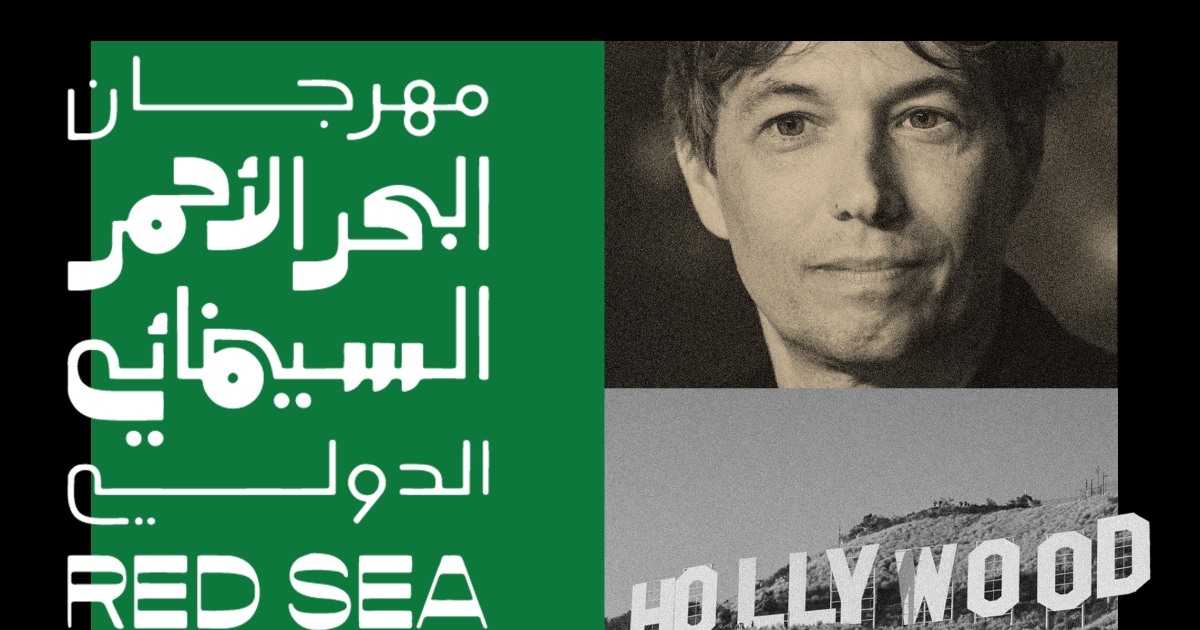
Hollywood is feeling the lure of Saudi Arabian money.
The stars are taking it, with many set to receive checks for attending this week’s Red Sea Film Festival. Studios are interested in it, with their executives traveling to the kingdom to meet about potential deals. And at the highest levels, Saudi money could end up helping to finance a massive media merger.
For the entertainment industry, Saudi financing has become more appealing as other sources of money have dried up in the aftermath of the 2020 Covid pandemic, the 2023 dual actors’ and writers’ strikes, and shifting audience habits away from film and TV to social media.
“Money is good, that’s Hollywood’s perspective,” said entertainment attorney Schuylar (Sky) Moore at Greenberg Glusker. “For the Saudis, it’s all about building their own film industry, and they’re trying to get the expertise and the people there.”
But Saudi Arabia’s controversial human rights record makes the relationship an uneasy one for some in the West — and a sensitive topic to talk about in Hollywood, where more than a dozen insiders including agents, producers, executives, bankers and publicists declined to go on the record about the inrush of potential Saudi cash.
For more on this story, tune in to Hallie Jackson NOW at 5:00 p.m. ET/2:30 p.m. PT on NBC NEWS NOW.
This week, many of them are headed to the kingdom’s coastal city of Jeddah for the Red Sea Film Festival, which runs through Dec. 13. In recent years, the festival, a nonprofit organization financed by Saudi government money, has paid talent up to $2.5 million to attend at least part of the event, according to two sources with knowledge of the deals who were not authorized to speak on the record about them.
A spokesperson for the Red Sea Film Festival contested the figure, calling it “inaccurate, and not representative.”
“The festival does not disclose the details of any of its commercial arrangements, but we on occasion engage with talent on a contractual basis for work we ask them to do at the festival which includes labs, in conversations, mentorship sessions with emerging regional talent,” the festival said in a statement. “The Foundation is first and foremost committed to nurturing talent in underrepresented markets — as evidenced by our programme and the filmmakers we support year round.”
This year, festival organizers announced that the nine-day event will feature a jury with Oscar-winning “Anora” director Sean Baker and actor Riz Ahmed; stage conversations with actors including Ana de Armas, Dakota Johnson, Kirsten Dunst, Jessica Alba and Adrien Brody; and tributes to actors Sigourney Weaver and Michael Caine. Many of the stars are being touted on the festival’s official Instagram page. A diverse slate of films is set to screen including “Couture” starring Angelina Jolie, Paramount’s “The Spongebob Movie: Search for Squarepants,” and Jordan’s Oscar submission, “All That’s Left of You,” which received financial support from the Red Sea Foundation.
Saudi money is also behind a portion of Paramount Skydance’s more than $60 billion bid this week for Warner Bros Discovery, according to Variety, which cites multiple sources, and Bloomberg, which cited people familiar with the discussions. A spokesperson for Paramount declined to comment.
Additionally, the kingdom is backing a $1 billion new independent content studio called Arena SNK launched in October by former Lionsgate executive Erik Feig, and a $55 billion deal for video game maker Electronic Arts announced in September. A representative for Feig declined to comment.
Executives from Sony traveled to Saudi Arabia this fall for meetings, a spokesperson confirmed. Comcast CEO Brian Roberts also traveled to the country this fall to attend a conference and view a potential theme park site in Qiddiya, a tourism megaproject in Riyadh province, according to a source with knowledge of Roberts’ trip who was not authorized to speak on the record about it. (Comcast owns NBCUniversal, which is the parent company of NBC News.)
While there are many deals in discussion, Moore noted that a major Hollywood studio has yet to actually close one with Saudi financing. If they do, the entertainment attorney said he suspects the deal will be contingent upon shooting in the region, to help build up the kingdom’s local production infrastructure.
Hollywood’s not alone in its attempts to muster up funding from the Middle East — both the sports and gaming worlds have tapped into Saudi money. Critics, including Human Rights Watch, an international nongovernmental organization, and the Atlantic Council, a research institute, have accused the Saudi government of so-called “sportswashing,” investing in golf and soccer to improve its international image.

In 2027, WrestleMania will be held in Riyadh, marking the first time the WWE will hold its signature pay-per-view match outside North America. In a statement announcing the deal in September,Paul “Triple H” Levesque, WWE’s chief content officer, said that the General Entertainment Authority (GEA) in Saudi Arabia and its chairman, Turki Alalshikh, “have made a massive impact on the world of sports and entertainment.” He described them as “phenomenal partners to WWE.”
Video gaming giant Electronic Arts announced in September that it will be acquired for $55 billion in an all-cash deal by the Public Investment Fund of Saudi Arabia, Silver Lake and Affinity Partners (the investment company run by Trump’s son-in-law Jared Kushner).
From the Saudi perspective, the entertainment industry spending is a way to reduce the country’s economic dependence on oil and to improve their image globally, which is all part of Saudi Crown Prince Mohammed bin Salman’s modernization plan for the kingdom called Vision 2030.
In September, the Saudi Film Fund rebranded as Riviera Content, with a mandate to finance and produce movies with major global studios, bolstered by a 40% tax incentive for production in the kingdom.
“A lot of it is driven by a feeling in Saudi that their story isn’t being told well,” said one entertainment industry dealmaker who has done business in Saudi Arabia, who requested anonymity due to the sensitivity of the issue.
In 2018, the Saudi/Hollywood collaboration was just beginning to get underway when, according to U.S. intelligence services, Crown Prince Mohammed approved an operation to assassinate Washington Post journalist Jamal Khashoggi, a fierce critic of his government.
In the months before the murder, the crown prince had ended a 35-year ban on movie theaters and traveled to Los Angeles to meet with News Corp. mogul Rupert Murdoch and Disney CEO Bob Iger. The Saudi Film Council had delivered a splashy pitch at the Cannes Film Festival, handing out guides to Saudi film locations and a book with data on the young, digitally savvy Saudi audience.
The Khashoggi murder chilled the nascent cultural relationship and led Endeavor Content, the film and TV company behind shows like “Severance” and “Killing Eve,” to back out of a $400 million deal with the Saudi government in 2019.

Hollywood’s difficult financial environment and the reelection of President Donald Trump, who has a close relationship with Saudi Arabia, have reopened the door to conversations.
In November, Paramount Skydance CEO David Ellison attended a White House dinner for Crown Prince Mohammed, the Saudi leader’s first visit to the White House since the Khashoggi murder.
For Western talent, however, the Saudi money still brings deeper questions.
In September, American comedians like Dave Chappelle, Kevin Hart and Pete Davidson faced backlash from fans, human rights activists and fellow comics for performing at the Riyadh Comedy Festival.
Human Rights Watch accused the Saudi government of using the event “to deflect attention from its brutal repression of free speech and other pervasive human rights violations.”
In October, late night host Jimmy Kimmel pressed comedian Aziz Ansari about his decision to perform at the festival.
“People, a lot of comedians especially, are very upset, because the people who paid the comedians to come to this are not good people,” Kimmel said. “It’s a pretty brutal regime. They’ve done a lot of horrible, horrible things.”
“There’s people over there that don’t agree with the stuff that the government’s doing, and to ascribe like the worst behavior of the government onto those people, that’s not fair,” Ansari said of his decision, noting he asked his aunt who used to live in Saudi Arabia. “Just like there’s people in America that don’t agree with the things the government is doing.”
The talent that is expected to attend the Red Sea Film Festival in the coming days have not publicly commented on their upcoming plans.
Despite the stars in the lineup, many of the actors with films screening at Red Sea this year have declined to attend.
That includes Jolie, whose representative did not say why she’s skipping the event, and Pierce Brosnan and Jude Law, whose representatives both cited scheduling issues.



