

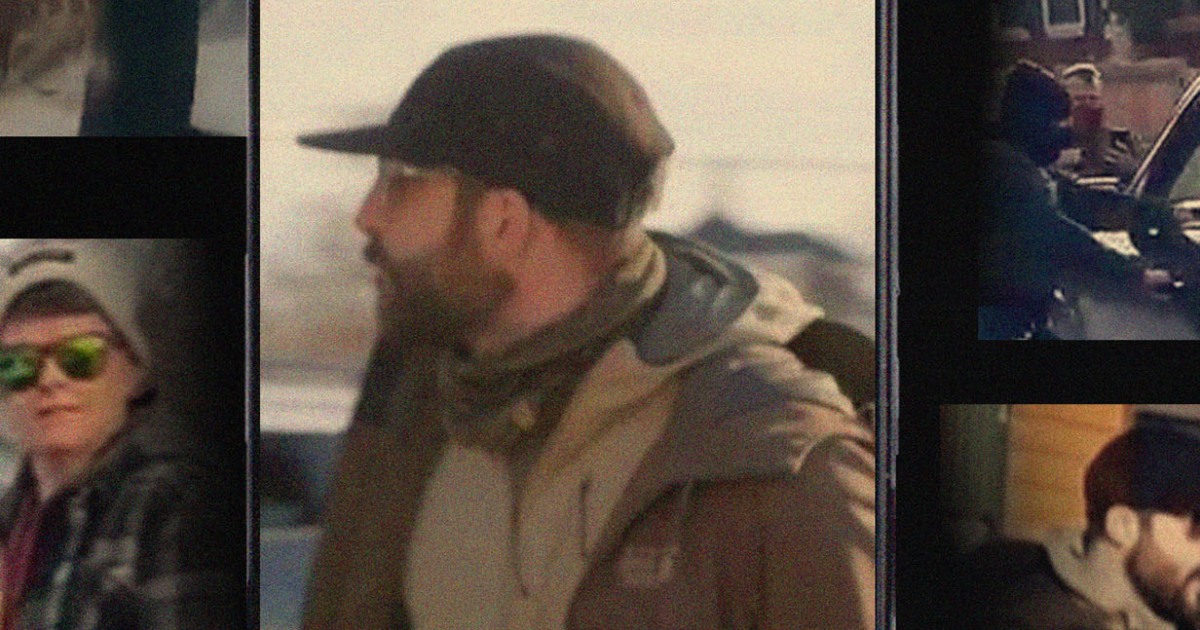
In the snow-covered streets of Minneapolis, smartphones are recording the first draft of modern American history.
Everyday people have in recent weeks fanned out across the city to document protests and film tense interactions with federal immigration officers. They have also borne witness to tragedy. The fatal shootings of Renée Good and Alex Pretti were captured on shaky video by bystanders clutching smartphones in the bitter cold and standing within shouting distance of the victims.
The cellphone recordings quickly ricocheted across social media, shared again and again, dissected and debated by journalists, politicians, lawyers, activists and millions of people. In a poll published Jan. 13, Quinnipiac University poll found 82% of registered voters have seen video of the Good shooting — and that number has likely grown.
The raw videos do not answer every question, but they have become foundational to the public’s understanding of the killings.
“No longer attached to activism in community associations or local parties, so many people feel that all they can do when angry, outraged, now appalled, is share an image. It is a new political ecosystem,” said Sherry Turkle, a clinical psychologist who teaches at the Massachusetts Institute of Technology. Turkle, who studies technology and the internet, believes these ordinary residents have been “tutored by digital culture.”
“They think first of image sharing,” she said.

In capturing these fatal shootings, Minneapolis eyewitnesses have pushed the Trump administration’s controversial Operation Metro Surge to the center of the national conversation, fueling bipartisan pushback that led the White House to pull a key law enforcement official out of the city. The amateur videographers also provided raw material that news organizations have analyzed, resulting in reports that contradict some of the Trump administration’s claims.
The very act of filming immigration agents is a contentious subject, viewed by some opponents of the Trump administration as a necessary civic duty and decried by some federal officials as an impediment to immigration enforcement.
In early July, before the aggressive Minnesota operation started, Homeland Security Secretary Kristi Noem said violence against federal officers encompasses “videotaping them where they’re at” in the field. Minnesota Gov. Tim Walz, in a speech after Good’s killing, took the opposite tack and urged people in his state to “take out that phone and hit record.” Interactions between federal agents and activists now regularly feature each side pointing smartphones at the other.
“Help us create a database of the atrocities against Minnesotans,” Walz said, “not just to establish a record for posterity, but to bank evidence for future prosecution.”
Yet these Minnesotans have chronicled more than chaos and violence in their midst. The residents protesting Immigration and Customs Enforcement and the Trump administration have also filmed what they view as acts of grassroots political resistance and social solidarity in one of the Midwest’s bastions of progressivism: singing and chanting in the streets, forming human chains around public schools.
“From people whom I’ve talked to there, some of the organizing here was built on the bones that came out of the George Floyd movement,” said Jelani Cobb, the dean of Columbia Journalism School, referring to the protests against police brutality and racial inequality that started in Minneapolis in May 2020.
“These questions about police accountability and the use of force that came to the forefront in the aftermath of George Floyd are still very impactful there,” Cobb added.
In some respects, the videos coming out of Minnesota are part of a wider global story stretching back decades. In the years since smartphones became ubiquitous consumer products, civilians worldwide — in Ukraine, in Iran, in Syria — increasingly use handheld cameras to document civil unrest, political protests and armed conflict. In repressive regimes, citizen-shot video frequently challenges ruling powers’ narratives.
Pretti himself was holding a phone just moments before he was shot dead. He was also wearing a holstered gun that local officials said he was permitted to carry, and one video shows that an agent removed the firearm from Pretti’s waist before he was shot. “The Daily Show” host Jon Stewart, in a monologue about the killing that aired Monday night, argued that Pretti’s mobile device was the reason he was perceived as a “threat.”
“He was brandishing a weapon — a handheld, aluminum, 1080p, 60fps, weapon of mass illumination,” Stewart said, referring to smartphone image quality. “Because there is nothing more dangerous to a regime predicated on lies than witnesses who capture the truth.”

The proliferation of the Minneapolis videos also underscores the influence of dramatic, fast-moving visual imagery in the internet age. TikTok videos, YouTube clips and Instagram photos sometimes prove more indelible than words alone. “Young people especially look at the world in this way,” said Douglas Rushkoff, a media theorist who coined the phrase “going viral.”
The killings of Good and Pretti have drawn wide attention over the last three weeks, but they are not the only people who have been struck by bullets in the course of the administration’s immigration crackdown. Immigration officers have shot a total of 13 people since September, NBC News previously reported, four fatally.
In the weeks and months ahead, eyewitness videos will not be the only evidence considered by investigators. Good’s fatal encounter with ICE officer Jonathan Ross was recorded in part on his own phone and released to the public after the original viral video circulated widely.
Investigators are likewise reviewing body-camera videos from multiple Border Patrol agents involved in the Pretti killing, a Department of Homeland Security spokesperson confirmed to NBC News. None of that footage has been released to the public, and the federal agents have not been publicly identified.
In the meantime, citizen-shot video continues to define public perception, even inspiring some typically apolitical social media influencers and content creators to weigh in on current events.
The public is simultaneously learning more about the ground-level people behind the iPhone camera lens. Stella Carlson, the Minneapolis resident who recorded Pretti’s fatal encounter, told CNN this week that she felt comfortable remaining at the scene as long as she did because of the “collective actions” across the city since thousands of federal officers descended on the state.
“I knew that this was a moment, and we all have to be brave and we all have to take risks,” Carlson said, “and we’re all going to be given moments to make that decision.”



