

In the days and months after the U.S. military’s chaotic withdrawal from Afghanistan, Thomas Kasza and some of his fellow Special Forces members focused their attention on the Afghans who had fought alongside them.
These Afghans who risked their lives for the U.S. were prime targets of the Taliban. Remaining in their homeland was akin to a death sentence.
“Given how they served exclusively alongside U.S. Green Berets, they were by default among those highest on Taliban target lists,” said Kasza, who was one of many military veterans who assisted their former Afghan counterparts in leaving the country and resettling in the U.S.
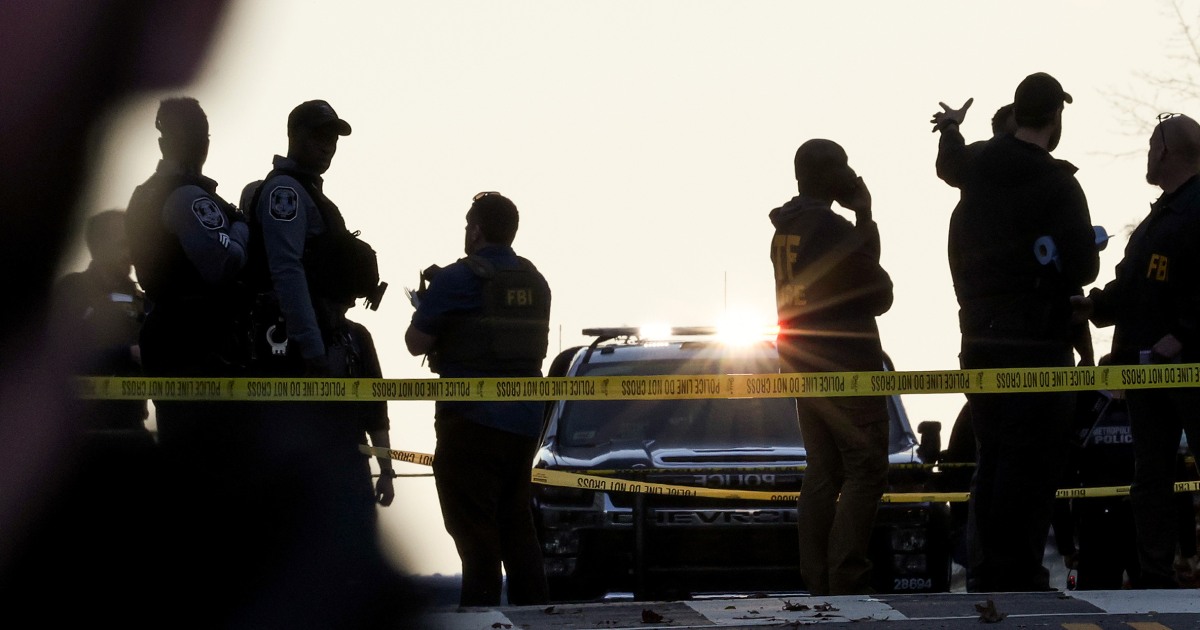
After the shooting of two National Guard members near the White House last week, Kasza and other U.S. war veterans find themselves having to come to the defense of their former Afghan partners yet again.
An Afghan who worked with a CIA-trained military unit has been charged in the attack, which killed Sarah Beckstrom, 20, and critically wounded Andrew Wolfe, 24.
The Trump administration immediately moved to crack down on Afghans in the U.S., pausing asylum decisions and halting the issuing of visas.
President Donald Trump said last week that many of the Afghans who came to this country “are criminals” who “shouldn’t be here.” CIA Director John Ratcliffe said the suspect “and so many others should have never been allowed to come here.”

Those kinds of sentiments haven’t gone over well with Army Special Forces veterans, known as Green Berets, and others who worked closely with Afghans during the war.
“It is definitely not fair to group all Afghans that helped us during our time in Afghanistan in that same basket as this individual,” said Ben Hoffman, a Green Beret with five deployments to Afghanistan.
Another Green Beret, Dave Elliott, said many of the Afghans he is in touch with are now “terrified” over their fates in the U.S.
“They’re fearful they’re going to be sent back to a country where we have had documented cases of our guys being killed in retribution attacks,” said Elliott, who started a nonprofit organization with Kasza called the 1208 Foundation, which supports Afghans who assisted the U.S. during the war.
The Green Berets worked with a specially trained unit of Afghans who would go out in front of the Americans on missions to identify and disable improvised explosive devices, a highly dangerous job that resulted in dozens’ being killed. Other Afghans who came to this country after their government collapsed in 2021 worked with U.S. forces as interpreters and drivers and in other roles.
“These guys didn’t want to leave Afghanistan,” Elliott said. “They left Afghanistan because the U.S. broke it and handed it back to the Taliban and they had no other choice.”
The Green Berets and other war veterans interviewed by NBC News didn’t work directly with the shooting suspect, Rahmanullah Lakanwal, 29, but wanted to speak out in support of the Afghans who fled to this country after assisting U.S. forces.
White House spokeswoman Abigail Jackson said the Trump administration “has been taking every measure possible — in the face of unrelenting Democrat opposition — to get anyone who poses a threat to the American people out of our country and clean up the mess made by the Biden Administration.”
Lakanwal has pleaded not guilty to murder charges and other offenses. Authorities haven’t released information about a potential motive. Lakanwal, who lived in Washington state with his wife and five children, had reportedly been struggling to feed his family and was suffering from mental health issues.
Geeta Bakshi, a former CIA officer who served in Afghanistan, said that her former Afghan colleagues are distraught that one of their countrymen is accused of having attacked Americans and that the entire community of Afghan veterans could be tarnished by the shooter’s horrific actions.
Bakshi said she and other Americans forged a special bond with their Afghan allies during the war, sharing the same dangers and working in common cause to track down Al Qaeda and other extremists.
“They put their necks on the line to support us,” said Bakshi, who runs FAMIL, a nonprofit organization that assists Afghans who worked under CIA command in what were known as Zero Units. “We were going after hard terrorist targets, and these were the guys and gals that made it happen. We could not have achieved our many counterterrorism successes without them. People don’t realize these folks bore a huge risk by doing what they did.”
Even before the shooting and the Trump administration actions, many Afghans who settled in this country were already struggling to find jobs while trapped in a legal limbo without work permits. Lakanwal and many others who worked directly with the U.S. forces or the government came into the country through a temporary program the Biden administration set up to manage the flow of Afghans fleeing Taliban rule.
Many were still waiting for their visa applications to be approved or their asylum requests to be granted, enabling them to work legally. Both of those legal pathways have now been shut off.
The moves are likely to increase the strain on the former U.S. military allies, according to Green Berets and other advocates for them. They noted that many of the Afghans experienced several years of war and are now living in an unfamiliar country where they don’t have access to the mental health resources afforded to U.S. military veterans.
“A lot of these guys have a lot of the PTSD struggles that we do, and even way worse,” Hoffman said. “And there’s no way for them to get help except out of pocket, which is not easy for them when they’re just working to put food on the table and a roof over their kids’ heads.”
The Afghans fighting with U.S. forces lost comrades and family members and suffered grievous wounds, both physical and emotional, according to Bakshi, the former CIA officer.
“You have to consider invisible scars from the war and how that can affect people,” she said. “We know that. We’ve seen it. We’ve seen it with veterans. We’ve seen it with veteran suicides.”
“Some of these guys were in combat 365 days a year, for five or 10 or 20 years,” she added. “They face many of the same difficulties as veterans do, and they don’t have the resources and the support that veterans do.”
Kasza said he worries about how the treatment of Afghans in this country might affect future military operations overseas.
“Green Berets are built to operate with and through a host-nation partner,” he said. “If the future partner of a Special Forces detachment sees America so willing to renege on promises made, how likely is it that they will be willing to put their lives on the line to aid in advancing the interest of another nation that will readily ignore their sacrifice?”



