

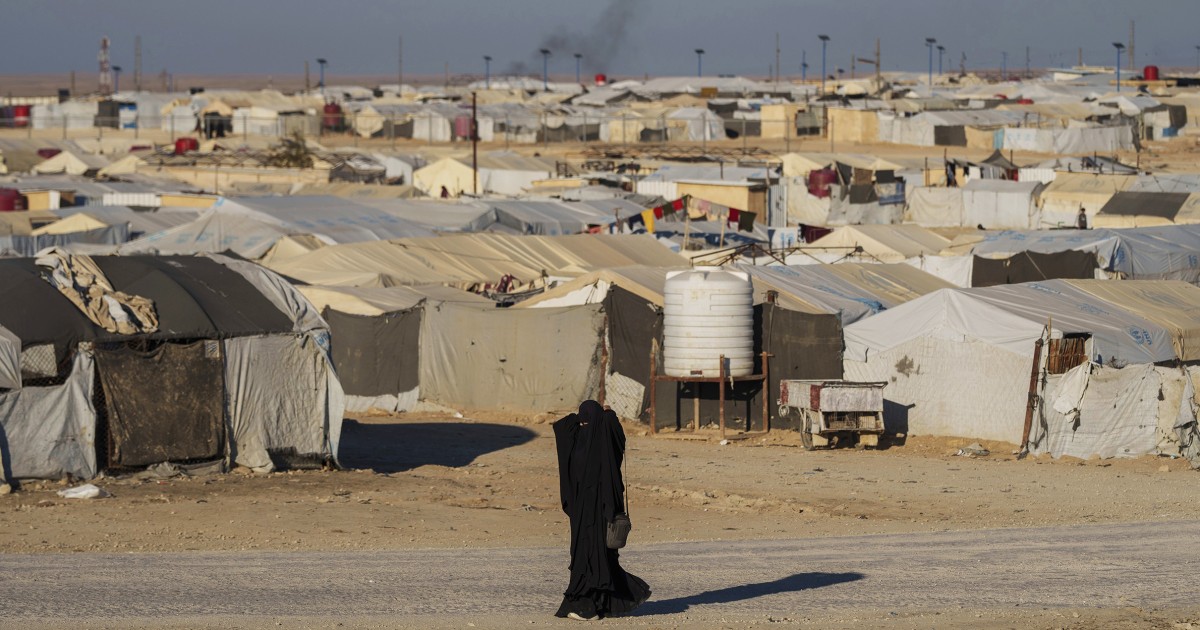
Longtime U.S. allies say they have abandoned large prisons holding thousands of Islamic State group fighters and their families in northeastern Syria.
The Kurdish-led Syrian Democratic Forces (SDF) said Tuesday it had redeployed from the al-Hol camp to nearby cities, blaming “international indifference” for the withdrawal. The move comes amid intensifying fighting between the SDF and fighters loyal to the government of Syria and after a reported ceasefire between the two sides.
“International indifference toward the issue of the ISIS terrorist organization and the failure of the international community to assume its responsibilities in addressing this serious matter” was behind the move, the SDF said in a post on X.
The SDF and the government have traded blame over the escape from a prison in the town of Shaddadeh, amid the breakdown of a ceasefire deal between the two sides.

SDF spokesperson Farhad Shami told Kurdish news website Rudaw that around “1,500 ISIS militants — including both foreign and Syrian nationals — had been released” by Damascus-affiliated armed groups from Shaddadi prison in southern Hasaka as well following fighting there.
Syria’s Ministry of Interior said 120 Islamic State group members had escaped from the prison.
Security forces recaptured 81 of the escapees, “while intensive security efforts continue to pursue the remaining fugitives and take the necessary legal measures against them,” the statement said, The Associated Press reported.
The Syrian army and the SDF on Sunday signed a ceasefire to end fighting that has displaced thousands. The two sides also agreed on a sweeping integration deal that was supposed to bring much of the autonomous region under government control. Responsibility for prisons housing ISIS detainees was meant to be transferred to the government.
The two warring sides are key allies of Washington. U.S. envoy Tom Barrack met with Syrian President Ahmad al-Sharaa earlier Sunday as government forces were sweeping into the city of Raqqa and across Deir el-Zour province. SDF leader Mazloum Abdi reportedly joined the meeting over the phone.
Barrack praised the agreement, saying on X that it would lead to “renewed dialogue and cooperation toward a unified Syria,” ahead of working on the details of implementing the integration.
Since toppling Bashar al-Assad in December 2024, Syria’s new leaders have struggled to assert their full authority over the war-torn country, but a recent push has seen them gain control over the Deir el-Zour and Raqqa provinces, critical areas under the SDF that include oil and gas fields, and border crossings.
The SDF blames Turkey’s support for many of its defeats. Ankara is the biggest supporter of the government in Damascus and sees the SDF as a threat, having battled its own Kurdish minority for decades.



